How Shifting BTC to IDR Rates Shape Local Trading Habits
Across Indonesia, the link between Bitcoin and the rupiah grows stronger each year. The rate that connects them changes quickly, and those small shifts influence how people trade, save, and think about money. When the BTC to IDR rate rises, conversations start in cafés, online forums, and classrooms. When it falls, the same traders pause, analyse, and wait. These reactions have slowly created new habits, blending traditional caution with digital curiosity.
For many Indonesians, the appeal of crypto began with simple convenience. Transferring money across borders through banks can be slow and costly. Bitcoin made it faster. Young freelancers, investors, and small business owners realised they could hold part of their income in digital form and move it whenever they wanted. But as they watched rates fluctuate, they learned that flexibility also meant risk. That understanding changed how they approached trading.
The habit of checking prices daily has become part of life for many. Some refresh their screens each morning, tracking the gap between local exchange values and global averages. They rarely trade large sums. Instead, they move in smaller steps, adjusting positions rather than betting heavily. Over time, this rhythm has turned trading into a routine rather than a rush. A steady awareness of the market now shapes how Indonesians manage both profit and patience.
Education has followed behaviour. Online communities in Bahasa Indonesia discuss trends and explain what affects value. Topics once limited to experts now reach everyday traders. People learn about supply limits, global demand, and regulatory updates. In doing so, they become less likely to react emotionally. Many avoid panic selling during dips, preferring to observe patterns and act when prices stabilise. That restraint is slowly defining the country’s digital investor culture.
Another visible change comes from diversification. Early adopters once focused only on Bitcoin. Now they convert to and from the rupiah more strategically. They might hold a portion of assets in stablecoins to manage exposure, then shift back when opportunities appear. The movement between currencies teaches them to treat exchange rates as tools rather than threats. What began as speculation is turning into measured planning.
Government oversight also shapes these habits. The Indonesian Commodity Futures Trading Regulatory Agency oversees crypto exchanges and enforces clear rules. That structure gives traders confidence to operate within legal boundaries. It also means they track both global factors and local policy before making moves. A tax change or new regulation can adjust short-term behaviour, showing how domestic policy now directly connects to digital trading decisions.
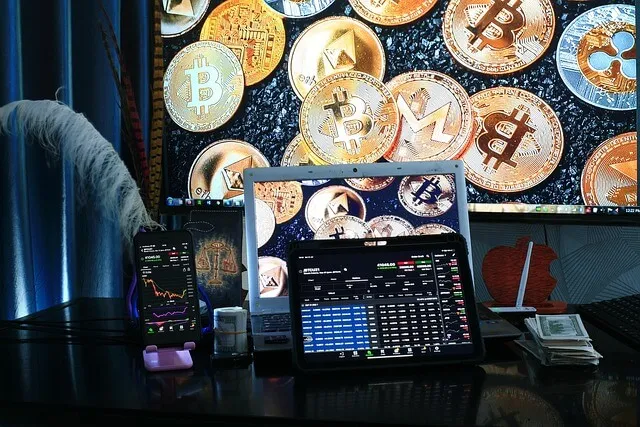
Image Source: Pixabay
The emotional side remains important. Bitcoin’s price often reacts to news far beyond Indonesia, and those ripples reach local traders instantly. A shift caused by an event in another country can trigger immediate conversations online. Experienced investors have learned to pause rather than rush, using volatility as a signal to review strategy. They understand that reacting too quickly often means reacting wrong.
The relationship between Bitcoin and the rupiah is not only financial but cultural. It represents a growing comfort with uncertainty. Older generations once trusted savings accounts and gold above all else. Younger Indonesians are learning to manage assets that move every minute. They balance digital risk with traditional values of patience and discipline. The blend gives the country’s trading scene a unique tone, calm beneath the constant motion.
At its heart, every rate change between Bitcoin and the rupiah tells a small story of adaptation. It shows how people adjust, learn, and respond to forces larger than themselves. The BTC to IDR chart is more than a price display; it’s a reflection of local resilience. Indonesians are not chasing fast fortune but learning how to stay steady while the market shifts around them. Their habits evolve with every fluctuation, proving that in the space between old money and new technology, skill often grows faster than fear.

Comments